Table of Contents
- Kentucky Home Selling
- Which Areas in Kentucky Offer the Best Return on Investment and Are Easiest for Residential Property Development?
- What Home Styles, Sizes, and Features Tend to Sell Fastest in the Kentucky Market?
- What Should Home Sellers Know About Zoning Laws, Permits, and Regulatory Requirements in Kentucky?
- Which Towns or Cities in Kentucky Are Easiest, and Hardest, When It Comes to Navigating Real Estate Regulations?
- What Are the Most Effective Flipping and Resale Strategies for Maximizing Profit in Kentucky's Housing Market?
- How Should Sellers Price Their Homes to Attract Buyers While Maximizing Value in Kentucky?
- Which Key Economic, Social, and Regulatory Factors Are Driving Current Trends in Kentucky's Local Property Markets?
Kentucky Home Selling

With affordable prices and steady appreciation over the past year, Kentucky's housing market remains an appealing environment for buyers, sellers, and investors. As of October 2025, the median sale price for homes in Kentucky stood at $281,800 (+7% year over year). This remains significantly more affordable than the national median home price of around $440,000, making the Bluegrass State a budget-friendly alternative for investors priced out of larger metropolitan markets.
Despite double-digit year-over-year increases in supply, demand remains strong in Kentucky. With just 3 months of supply, sellers still maintain an advantage. However, listed homes typically took longer to sell than they did in 2024, with a median days on market of around 45 days compared with 40 during the prior year.
According to the U.S. Census Bureau's Building Permits Survey, Kentucky has seen a year-over-year uptick in new residential construction authorizations, though permit levels still lag the U.S. average on a per-capita basis. As a result, the state continues to grapple with a housing gap of more than 206,000 units, which is split fairly evenly between rentals and sales.
Kentucky's property tax structure remains among the region's most favorable, with an average effective rate of just 0.77%. This figure places Kentucky below the national median, enhancing the state's appeal for cost-conscious buyers and investors.
Foreclosure activity in Kentucky remains relatively subdued, with a rate of 1 foreclosure for every 2,568 housing units (as of Q3 2025). This puts the state in the bottom third nationally and notably below neighboring states like Illinois, Indiana, and Ohio.
Which Areas in Kentucky Offer the Best Return on Investment and Are Easiest for Residential Property Development?

With Kentucky's stable and diverse real estate market, there are many opportunities for profitable investments across different neighborhoods. Despite broader economic uncertainties, the housing market in the Bluegrass State has shown resilience, maintaining steady long-term appreciation.
However, anyone planning on investing in the Kentucky real estate market should research different areas across the state to determine where they might secure the best potential returns on investment.
-
Lexington: Lexington is a regional economic hub that boasts a strong and diverse real estate market driven by its rich cultural heritage, reputable educational institutions, and a thriving, stable economy. The city's median home values (roughly $320,00) have been steadily rising, offering investors the potential for long-term appreciation. Still, property prices in the area remain relatively affordable compared to many other U.S. markets, as well as the national median.
-
Louisville: Louisville is Kentucky's largest metro. With a median home price of around $325,000, well below the national average, it offers investors a manageable entry point. Employment opportunities with UPS, Worldport, Ford, Humana, and KFC continue to drive demand, while major infrastructure projects like the Ohio River Bridges boost long-term appreciation prospects.
-
Bowling Green: Anchored by Western Kentucky University, Bowling Green's tight housing supply and sizable student population have driven annual price gains, especially in new subdivisions along Scottsville Road.
-
Covington: Located across the river from Cincinnati, Covington has benefited from downtown loft conversions, tax-credit rehabilitation projects, and growing tech startups, creating strong demand for modern urban flats and commanding premium rents.
-
Frankfort: As the state capital, Frankfort enjoys a stable base of government-sector employment, historic districts with preserved limestone houses, and new suburban developments along Route 127, balancing steady appreciation with regulatory support for infill projects.
-
Paducah: Known for its floodwall murals and UNESCO Creative City designation, Paducah's downtown arts revival and riverfront redevelopment have attracted creatives and retirees, tightening inventory in historic neighborhoods and boosting property values.
-
Newport: Newport presents a compelling real estate investment opportunity in Northern Kentucky, offering a mix of affordability and appreciation potential, particularly in desirable areas like the East Row Historic District, where home prices range from $275,000 to $750,000. In addition, strategically located along the Ohio River with scenic views of Cincinnati's skyline, Newport benefits from a thriving business environment and easy access to Cincinnati's job market, making it attractive to both renters and homebuyers.
-
Williamstown: Williamstown is a top target for many real estate investors in Kentucky, especially those focused on short-term rentals. In 2025, the city earned a high market score of 96/100 from AirDNA, placing it among the nation's leading locations for Airbnb-style investments. Property prices in this area remain moderate compared to larger Kentucky markets, with opportunities ranging from single-family homes to multiunit properties, both of which can be ideal for conversion. For investors seeking strong returns in a smaller, less competitive environment, Williamstown offers a unique and profitable opportunity.
-
Bardstown: Bardstown continues to enjoy steady appreciation, and offers historic charm and strong tourism appeal. Listed on the National Register of Historic Places, the district features well-preserved architecture that attracts year-round visitors, particularly those exploring the bourbon trail. Investors in this property market often capitalize on the demand for short-term rentals, which consistently outperform long-term leases due to the district's proximity to attractions like My Old Kentucky Home State Park and downtown Bardstown.
-
Elizabethtown: Elizabethtown is a solid location for real estate investors, in large part due to its proximity to the Fort Knox military base. The base brings in a steady stream of renters, including active-duty servicemembers, civilian workers, and their families. Homes in Elizabethtown have a median value of about $268,000, with average monthly rents around $1,450, giving investors a strong rent-to-price ratio.
What Home Styles, Sizes, and Features Tend to Sell Fastest in the Kentucky Market?

Home sales in Kentucky property markets move at a pace that's similar to the national median. Days on the market for properties listed in the state range from around 45-50 days, depending on local demand and inventory. However, in hot spots such as Lexington and Louisville, well-priced homes with in-demand features often go under contract in about 30 days or less.
However, investors must be aware that certain types of homes consistently outperform others in terms of buyer demand and sale speed. Such homes typically have the following features:
-
![]() Bedrooms: Homes with 3 to 4 bedrooms and 2 full bathrooms consistently sell the fastest in the Kentucky real estate market, particularly in family-centered neighborhoods in Lexington, Georgetown, and Elizabethtown. This is because this layout often fits the needs of growing families while remaining within the price range of first-time and more cost-conscious buyers.
Bedrooms: Homes with 3 to 4 bedrooms and 2 full bathrooms consistently sell the fastest in the Kentucky real estate market, particularly in family-centered neighborhoods in Lexington, Georgetown, and Elizabethtown. This is because this layout often fits the needs of growing families while remaining within the price range of first-time and more cost-conscious buyers.
-
![]() Size and Lot: Properties that sell quickly in Kentucky are typically mid-sized single-family houses between 1,500 and 2,500 square feet, paired with manageable lot sizes of roughly 0.2 to 0.5 acres. Homes with these sizes often deliver enough room for remote work, outdoor dining, and a small garden, without overwhelming maintenance. These types of home sizes are in especially high demand in suburban areas surrounding Louisville, Lexington, and Bowling Green.
Size and Lot: Properties that sell quickly in Kentucky are typically mid-sized single-family houses between 1,500 and 2,500 square feet, paired with manageable lot sizes of roughly 0.2 to 0.5 acres. Homes with these sizes often deliver enough room for remote work, outdoor dining, and a small garden, without overwhelming maintenance. These types of home sizes are in especially high demand in suburban areas surrounding Louisville, Lexington, and Bowling Green.
-
![]()
Style: Craftsman and ranch-style homes are some of the fastest-selling styles in the state, especially in older subdivisions, due to their affordability, single-level layout, and broad appeal to both retirees and families.
In growing suburbs like Georgetown and Mt. Washington, modern farmhouse and Craftsman homes are in demand because they blend contemporary finishes with rustic or traditional design elements.
In cities like Louisville and Covington, condos and townhouses near downtown areas attract young professionals who appreciate living close to work and entertainment centers. Older homes with character, like Victorian cottages and Cape Cods, also sell well when updated with modern features. In traditional neighborhoods, such as in Lexington and Northern Kentucky suburbs, Colonial-style homes remain a favorite for buyers who prefer classic, multilevel designs.
-
![]() Modern Upgrades: Modern upgrades are another desirable feature that can help a property sell quickly. If a home has energy-efficient features, like solar panels, high-performance insulation, and smart thermostats, it's more likely to sell fast and command premium prices, with buyers drawn to notable long-term utility savings. Other modern upgrades that add value and help accelerate sales include walk-in pantries and tile backsplashes.
Modern Upgrades: Modern upgrades are another desirable feature that can help a property sell quickly. If a home has energy-efficient features, like solar panels, high-performance insulation, and smart thermostats, it's more likely to sell fast and command premium prices, with buyers drawn to notable long-term utility savings. Other modern upgrades that add value and help accelerate sales include walk-in pantries and tile backsplashes.


What Should Home Sellers Know About Zoning Laws, Permits, and Regulatory Requirements in Kentucky?

Land-use decisions in Kentucky are shaped by zoning regulations that outline what types of development or property use are allowed in specific areas. These regulations, along with procedures for acquiring building permits and other required approvals, differ widely from one city or county to another. For investors aiming to optimize their returns, understanding and adhering to the local zoning codes and approval processes is critical.
One important step in demonstrating compliance is obtaining a zoning verification letter (sometimes known as a zoning confirmation letter or zoning certification letter). Typically issued by the local planning or zoning department, this document confirms a property's zoning category and legal land-use regulations. Having this letter can help reassure prospective buyers that the seller has done their due diligence on the property.
The following breakdown shows different locations in Kentucky and the ease of complying with zoning laws and other regulatory requirements in the areas:
-
Jurisdictions with strict zoning laws: Some communities in Kentucky enforce comprehensive zoning codes to govern land use with detailed precision. For instance, in Lexington-Fayette Urban County, zoning regulations are governed by a robust zoning ordinance. Sellers in this area must comply with density limits, conservation overlays, and use-specific restrictions. Similarly, Louisville Metro enforces strict zoning classifications across neighborhoods, especially in residential and mixed-use zones, which can affect redevelopment or conversion plans.
-
Areas with less bureaucratic zoning laws: In many rural counties, such as Casey, Green, and Elliott, there are no formal zoning ordinances, offering far more flexibility for property use or sale. This makes it easier for sellers to market a property "as-is" or for alternate uses. Similarly, some smaller cities like Corbin or those in Pulaski County have more lenient zoning oversight, simplifying basic residential projects or lot sales.
-
Jurisdictions requiring a special permit via public hearing and approval from the zoning board: Certain land uses in many Kentucky cities, especially those deviating from zoning norms, typically require formal approval through a public hearing and issuance of a conditional use permit or variance. For instance, Lexington's Planning Commission and Louisville's Board of Zoning Adjustment review special applications, like duplex conversions or signage changes.
Also, Northern Kentucky's Boone County, Franklin County (around Frankfort), and Bowling Green mandate conditional use and special permit applications for nonconforming uses, large-scale subdivisions, or publicly noticed variances. These jurisdictions require mailed notices to adjacent property owners, published hearing announcements, and Planning Commission votes before approval.
-
Areas where a Certificate of Occupancy (CO) is mandatory before legal occupation: Before a property can be legally occupied or transferred, especially after renovations, some Kentucky jurisdictions require a current CO. For instance, in Louisville Metro, a new or repurposed structure, such as a conversion from single-family to multifamily use, must receive a CO before legal occupation. Likewise, Lexington, Covington, Newport, and Frankfort enforce COs to confirm that buildings meet code standards, which can impact the closing timeline for sellers and buyers.
-
Areas where a historic commission requires approval for certain renovations and changes of appearance: If a property is located within a designated historic district, sellers are usually required to obtain approval for many exterior modifications. For example, in Old Louisville, properties in the historic district require a Certificate of Appropriateness (COA) for changes to facade, materials, or rooflines. Similar oversight exists in the Cherokee Triangle Preservation District, Butchertown, Clifton, and other historic zones in Louisville Metro. These areas require review before major changes or new construction.
Which Towns or Cities in Kentucky Are Easiest, and Hardest, When It Comes to Navigating Real Estate Regulations?

For anyone selling, flipping, or investing in the Kentucky property market, staying compliant with local real estate regulations is essential to help avoid legal complications and project delays, and to preserve and maximize property value. Note that the ease of doing business in one city or town may differ from another, since zoning ordinances, permitting processes, historic preservation laws, and local political attitudes vary significantly across the state.
Development-Friendly Areas
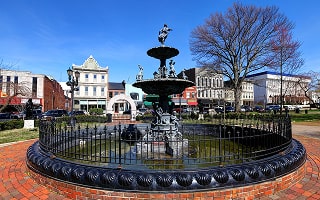
These locations generally support development through their flexible zoning laws and permitting processes. Examples include:
- Bowling Green: Bowling Green is a fast-growing city with a business-friendly government and simplified development processes. The municipal government actively encourages housing construction to meet growing demand.
- Georgetown: Georgetown is known for its openness to suburban expansion and its cooperation with builders during permitting and subdivision approvals.
- Pulaski County: This area offers flexible zoning and less bureaucratic oversight, especially in residential subdivisions.
- Richmond: The city has moderate regulations, supporting a steady flow of new residential permits.
- Corbin: Corbin encourages both infill and new development through relatively straightforward zoning processes and local economic incentives.
Moderately Regulated Areas

While these places have structured planning processes and moderate oversight, they're still generally navigable with proper preparation by developers or investors. Examples include:
- Lexington-Fayette Urban County: While more regulated than rural areas, Lexington offers clear zoning guidelines and long-term urban planning, especially within its Urban Service Boundary. The city supports infill development but imposes density and conservation limits.
- Covington: The city has formal zoning and planning procedures, but works closely with developers, especially in revitalization zones.
- Frankfort: The state capital features a traditional permitting structure, with oversight from both planning and preservation boards, especially in historic districts.
- Nicholasville: Nicholasville shows growing demand for suburban development and has some red tape, but generally allows for steady residential growth.
- Elizabethtown: This home rule-class city offers fair permitting processes, though subdivisions and multifamily projects often require additional steps.
Highly Restrictive or Bureaucratic Areas

These locations are known for stringent zoning laws, historic preservation constraints, or strong local resistance (NIMBYism) to new development, which can create significant regulatory hurdles. Examples include:
- Old Louisville: Historic district oversight is strict in Old Louisville. Sellers and developers must obtain Certificates of Appropriateness for exterior changes and follow design guidelines closely.
- Anchorage, Prospect, and Indian Hills: Wealthy residential enclaves in these areas have strong zoning controls, active community resistance to higher-density housing, and long permit timelines.
- Cherokee Triangle and Clifton: These areas include historic overlay zones with intense preservation oversight and involved neighborhood associations.
- South Lexington: While the city is development oriented, certain neighborhoods strongly oppose higher density or rezoning, leading to delays.
- Northern Kentucky River Cities: Some redevelopment zones face layered regulation due to historic overlays, floodplain issues, and community opposition.
Regulatory Climate Factors

Real estate rules and permitting standards differ widely from one Kentucky jurisdiction to another, and these differences play a major role in how simple or complicated it can be to build, remodel, or resell property. As a result, it's important to know which areas in the state have relaxed or stringent policies, in order to plan for expenses, navigate approval processes, and avoid regulatory surprises.
Factor |
Impact on Development |
Where It's Found |
|---|---|---|
Zoning Flexibility |
Determines ease of land use |
Rural counties, such as Casey, Green, Elliott, and smaller towns without formal zoning; Covington and Bowling Green offer moderate flexibility in select districts. |
Historic Preservation Laws |
Adds restrictions |
Old Louisville, Paducah's Lower Town, Covington Historic District, and parts of Frankfort. |
Wetlands/Conservation |
Limits buildable land |
Western Kentucky lake regions, Pennyroyal Plateau, and outer Jefferson County near Floyds Fork. |
Inclusionary Zoning |
Requires affordable units |
Present in limited form in Lexington and under consideration in the Louisville Metro Council plans. |
Building Code Enforcement |
Affects cost/speed |
Strongest in the Louisville Metro, Lexington-Fayette Urban County, and Northern Kentucky suburbs. |
Local Politics/NIMBYism* |
Blocks or delays projects |
Present in affluent suburbs like Anchorage, Prospect, St. Matthews (Louisville), and South Lexington neighborhoods. |
*NIMBYism - Not in My Backyard
What Are the Most Effective Flipping and Resale Strategies for Maximizing Profit in Kentucky's Housing Market?

The following strategies are effective in maximizing profit when reselling or flipping properties in the Kentucky housing market:
-
![]()
Target Distressed or Foreclosed Homes: The real estate market in Kentucky consistently offers a steady stream of distressed inventory via pre-foreclosures, REOs (i.e., bank-owned properties), and auction properties, which are often solid lead sources for high-margin flips. While these offers are available across the state, they're particularly common in older urban neighborhoods and rural towns. In addition, cities like Covington, Frankfort, and parts of Louisville have concentrated zones with higher foreclosure activity, creating opportunities for value buys. Distressed inventory is usually priced below market value, offering experienced flippers the chance to unlock substantial equity with smart rehabs.
-
![]()
Use the 70% Rule [Maximum Offer = (ARV x 70%) - Repair Costs]: The 70% Rule is helpful in Kentucky's steadily appreciating market as it helps protect profit margins on flips. Using this formula, an investor calculates the maximum purchase price for a property by taking 70% of the property's after-repair value (ARV) and subtracting the estimated repair costs. The 70% Rule helps maintain a solid buffer for unexpected expenses while helping ensure the deal remains profitable, especially in more competitive cities like Lexington and Bowling Green.
-
![]()
Try Wholetailing for Speed: In suburbs with strong demand like Nicholasville, Elizabethtown, and Richmond, making quick, light-touch upgrades such as painting, replacing the floor, or landscaping, can accelerate a property sale. These areas often attract families and first-time buyers who are more concerned with move-in readiness than high-end finishes.
-
![]()
Build Strong Deal Pipelines with Lead Gen: Investors who see themselves as consistent players in the Kentucky property market would do well to build a strong deal pipeline to enjoy more consistent profits. Building this pipeline helps investors source property deals before competitors get access to them. To build this pipeline, investors can use direct mail, bandit signs, door knocking, and local networking. Local networking can include realtors, probate attorneys, wholesalers, and auction houses. In addition, Facebook groups and local investor meetups in Louisville or Northern Kentucky are especially active and may prove useful.
-
![]()
Renovate with Quality, Don't Cut Corners: Many property buyers in the Bluegrass State are increasingly looking for homes that balance price with quality. Homes with shoddy finishes or half-done rehabs are often quickly flagged in home inspections. Therefore, investors or sellers should prioritize premium structural work, modern kitchens, updated bathrooms, and energy-efficient home systems, especially when targeting resale in higher-end neighborhoods or working with FHA or VA buyers.
-
![]()
Follow the BRRRR Method (Buy, Rehab, Rent, Refinance, Repeat): This strategy is generally used by investors aiming to build wealth rather than chase a quick cash return. In the BRRRR strategy, the investor buys a property and rehabilitates it for rent. They'll then secure a cash-out refinance and use the funds for other property purchases. The BRRRR strategy works well in Kentucky's more affordable markets like Hopkinsville, London, and Winchester, where low entry prices and stable rental demand allow for successful refinancing and equity harvesting.
-
![]()
Go Beyond Cosmetic Work (Value-Add Flipping): This strategy is one of the most resilient methods of increasing resale values. Here, the investor completes major improvements that go beyond cosmetic basics in order to create real equity. Such improvements include adding bedrooms or bathrooms or finishing basements and attics, which often significantly boost ARV and final sale price. In cities with flexible zoning, like Covington or parts of Bowling Green, converting single-family homes into duplexes usually reduces the days on the market and can result in higher offers.
-
![]()
Explore Creative Financing and Seller Financing: Some sellers, especially retirees looking to downsize in Kentucky, are equity-rich but cash-poor. In situations like this, structuring seller-financed deals, leaseback options, or subject-to agreements allows investors to acquire homes with minimal upfront capital, leaving more funds for rehab and resale.
-
![]()
Target FHA 203(k) Buyers: If you're flipping entry-level homes in first-time buyer markets, you can consider designing your post-rehab pricing and features to align with FHA loan limits and requirements. Many buyers in Kentucky use FHA 203(k) loans, which combine purchase and rehab costs into a single mortgage. In addition, listing your flip at FHA-friendly price points can widen your buyer pool significantly.


How Should Sellers Price Their Homes to Attract Buyers While Maximizing Value in Kentucky?

In Kentucky's diverse housing market, pricing a home correctly is critical to both attracting serious buyers and maximizing the final sale value. To choose the right price strategy, home sellers and flippers must pay attention to their local market conditions and circumstances. In addition, sellers are advised to work with a local real estate agent or certified appraiser who can analyze comparable sales (comps), including active listings, pending sales, and properties sold within the last 90 days. With these data points in hand, they can determine a competitive price range tailored to the home's location, condition, and features.
Below are some of the most effective pricing strategies used in different parts of Kentucky, along with where and when they work best:
-
![]() Pricing Just Below Below Market Thresholds: This is a commonly used strategy, especially in urban centers and growing suburbs, such as Lexington, Nicholasville, and Bowling Green. It involves listing a home at a price just below the threshold, such as $199,900 instead of $200,000. The goal is to attract more online views and ensure your listing appears in broader buyer searches.
Pricing Just Below Below Market Thresholds: This is a commonly used strategy, especially in urban centers and growing suburbs, such as Lexington, Nicholasville, and Bowling Green. It involves listing a home at a price just below the threshold, such as $199,900 instead of $200,000. The goal is to attract more online views and ensure your listing appears in broader buyer searches.
-
![]() Pricing to Create a Bidding War: In hot neighborhoods or those with strong school districts, such as St. Matthews in Louisville, Hamburg Pavilion in Lexington, or Union in Northern Kentucky, sellers may price slightly below market value to create a sense of urgency or competition. The aim is to drive multiple offers, often above the asking price, and reduce time on the market.
Pricing to Create a Bidding War: In hot neighborhoods or those with strong school districts, such as St. Matthews in Louisville, Hamburg Pavilion in Lexington, or Union in Northern Kentucky, sellers may price slightly below market value to create a sense of urgency or competition. The aim is to drive multiple offers, often above the asking price, and reduce time on the market.
-
![]() High-Anchor Pricing (Test the Waters): This method is useful in high-demand areas where sellers believe their property can command a premium. Examples of such areas include Nulu in Louisville or downtown Lexington. By pricing at the top end of the market range, sellers leave room for negotiation.
High-Anchor Pricing (Test the Waters): This method is useful in high-demand areas where sellers believe their property can command a premium. Examples of such areas include Nulu in Louisville or downtown Lexington. By pricing at the top end of the market range, sellers leave room for negotiation.
-
![]() Price-Per-Square-Foot Benchmarking: With this strategy, sellers analyze the average price per square foot of similar homes in their neighborhood and adjust the price of their own property based on upgrades or differences in living area or lot size. This approach helps sellers maintain consistency and appeals to data-savvy buyers. Price-per-square-foot benchmarking works well in cookie-cutter neighborhoods, new construction developments, and condo communities, such as those in Georgetown, Winchester, or Frankfort.
Price-Per-Square-Foot Benchmarking: With this strategy, sellers analyze the average price per square foot of similar homes in their neighborhood and adjust the price of their own property based on upgrades or differences in living area or lot size. This approach helps sellers maintain consistency and appeals to data-savvy buyers. Price-per-square-foot benchmarking works well in cookie-cutter neighborhoods, new construction developments, and condo communities, such as those in Georgetown, Winchester, or Frankfort.
-
![]() Appraisal-Backed Pricing: Home sellers who price their properties close to the expected appraised value can help prevent financing delays or contract cancellations that often arise from an appraisal gap. This strategy is often used for local markets where buyers rely on VA or FHA loans, such as Radcliff or Fort Knox.
Appraisal-Backed Pricing: Home sellers who price their properties close to the expected appraised value can help prevent financing delays or contract cancellations that often arise from an appraisal gap. This strategy is often used for local markets where buyers rely on VA or FHA loans, such as Radcliff or Fort Knox.
-
![]() Net-to-Seller Pricing: This method recommends that sellers factor in closing costs, agent fees, repair credits, and other expenses before setting a price for their property. Factoring these costs helps sellers price realistically to meet their financial goals. Net-to-seller pricing is commonly used in places like Louisville and Lexington's investor-heavy areas, where margins matter and quick closings are often prioritized.
Net-to-Seller Pricing: This method recommends that sellers factor in closing costs, agent fees, repair credits, and other expenses before setting a price for their property. Factoring these costs helps sellers price realistically to meet their financial goals. Net-to-seller pricing is commonly used in places like Louisville and Lexington's investor-heavy areas, where margins matter and quick closings are often prioritized.
-
![]() Urgency Pricing (Motivated Seller Strategy): If speed is the most important factor in selling a property, urgency pricing is often the best strategy to use. It's typically used in pre-foreclosures, divorces, job relocations, or estate sales, where time may be of the essence. Sellers in Kentucky towns such as Ashland, London, or Corbin may use this strategy to encourage fast offers from cash buyers, investors, or flippers.
Urgency Pricing (Motivated Seller Strategy): If speed is the most important factor in selling a property, urgency pricing is often the best strategy to use. It's typically used in pre-foreclosures, divorces, job relocations, or estate sales, where time may be of the essence. Sellers in Kentucky towns such as Ashland, London, or Corbin may use this strategy to encourage fast offers from cash buyers, investors, or flippers.


Due to the varying market conditions in Kentucky communities, and the unique circumstances that may exist in each case, home sellers are advised to adopt pricing strategies that align with their property's characteristics and the real estate landscape in the area where the property exists. Choosing the wrong pricing approach may either leave money on the table or cause the property to sit on the market for longer than necessary.
In adopting the optimal home pricing strategy, sellers are advised to consider the prevailing market conditions in line with the table below:
Market Condition |
Best Strategy |
|---|---|
Seller's Market |
Underpricing for a bidding war |
Buyer's Market |
Charm pricing or net-to-seller |
Unique, luxury home |
High-anchor + value justification |
Entry-level home |
Just below threshold |
Urgent sale needed |
Aggressive urgency pricing |
Flipper or investor listing |
Appraisal-backed or price-per-square-foot |
Which Key Economic, Social, and Regulatory Factors Are Driving Current Trends in Kentucky's Local Property Markets?

Current trends in Kentucky's local property markets are shaped by a diverse set of factors, including the following:
![]() Economic Factors
Economic Factors
 Economic Factors
Housing demand in Kentucky continues to be bolstered by the robust job growth in healthcare, manufacturing, logistics, and tech industries. For instance, places like Louisville and Bowling Green have seen employment increases, translating to stronger buyer confidence and higher home values. Also, private-sector investment in the state has recently created over 9,000 jobs, with average hourly wages exceeding $26, boosting demand for housing in areas like Hopkinsville and Bowling Green.
Construction trends in the state also indicate an expanding housing supply in tornado-impacted counties, including the 953-unit, $223 million rental push in Western Kentucky, supporting modest growth in construction.
![]() Demographic and Social Factors
Demographic and Social Factors
 Demographic and Social Factors
Kentucky has experienced inbound migration to urban centers like Lexington and Louisville, driven by young professionals seeking affordability and lifestyle. However, many rural counties face population declines of up to 1% annually, reducing local housing demand outside larger metro areas.
In addition, with an aging population, in which nearly 20% of Kentuckians are over 65, the demand for downsized, single-level homes and age-friendly communities has increased, causing developers to prioritize accessible designs and active-adult neighborhoods.
![]() Regulatory and Legal Framework
Regulatory and Legal Framework
 Regulatory and Legal Framework
Zoning powers in Kentucky grant local governments the right to create and enforce their own zoning regulations. However, many rural counties lack formal zoning ordinances, offering flexibility in smaller towns but limiting structured planning. Still, land-use regulations in Kentucky vary by jurisdiction, with many local governments choosing to adopt form-based codes that allow mixed-use projects, fostering walkable neighborhoods.
In addition, Kentucky's zoning landscape is undergoing modernization, with recent legislation easing minimum lot sizes and parking requirements in many counties to accelerate infill development.
![]() Taxation and Fiscal Policy
Taxation and Fiscal Policy
 Taxation and Fiscal Policy
Kentucky's statewide real property tax rate is set annually by July 1, and stands at 10.6 cents per $100 of assessed value (as of July 2025), following statutory rollbacks when assessments rise more than 4%. However, counties may levy additional rates for schools, libraries, and special districts. The state's effective property tax rate is in the lower half of all states, at approximately 0.77%. This has meant that homeownership costs remain competitive, attracting both buyers and investors.
Per developer incentives, the Kentucky Housing Corporation (KHC) administers various programs, including tax-credit financing, affordable housing bonds, and rental assistance to support development and homeownership.
![]() Housing Policy and Government Programs
Housing Policy and Government Programs
To better serve households earning under 30% of the area median income, KHC administers low-income housing tax credits and HOME grants. These programs underwrite more than 100,000 subsidized rental units statewide.
Also, state scholarship programs such as Work Ready Kentucky and the Kentucky Educational Excellence Scholarship fund training for skilled trades, which addresses the construction labor shortage and supports new homebuilding initiatives.
![]() Infrastructure and Development Trends
Infrastructure and Development Trends
 Infrastructure and Development Trends
Some of the development trends in Kentucky impacting the local property markets in the state include large-scale investments like the Hopkinsville manufacturing facility and the proposed Residential Infrastructure Fund (RIF). The manufacturing facility in Hopkinsville is adding more than 900 jobs, spurring housing demand in surrounding regions, while the RIF would offer low-interest loans for roads, water, and sewer extensions to unlock housing sites, especially in rural and suburban fringes.
Finally, industrial park developments in north-central Kentucky, particularly around Covington, are creating employment hubs that drive adjacent residential growth.
![]() Market Sentiment and Investor Behavior
Market Sentiment and Investor Behavior
 Market Sentiment and Investor Behavior
Investors are attracted to Kentucky's mix of affordability and growth potential, with the Bluegrass State ranking the 16th most affordable nationally by price-to-income ratio. Mid-sized markets like Lexington, Louisville, and Bowling Green consistently top lists for turnkey, positive cash-flow opportunities.
Furthermore, sustainable and mixed-use projects are becoming popular among institutional buyers, reflecting a broader shift toward walkable, amenity-rich communities.
Overall, local sentiment remains cautiously optimistic. While some fear overbuilding, most expect moderate price appreciation of 2%-4% annually over the next three years, backed by steady demand and constrained inventories.
The Kentucky real estate market offers a broad range of options for those looking to invest. While many local markets are profitable, top locations where investors may achieve outsized returns on their investments include Lexington, Louisville, Bowling Green, Covington, and Frankfort.
However, profitable real estate investments depend on more than just choosing the right city for investing. It requires understanding local zoning rules, regulatory expectations, and market demand. Properties that meet the evolving needs of buyers, particularly those with 3-4 bedrooms, mid-size floor plans, and modern upgrades, tend to sell the fastest and command competitive prices. Meanwhile, sellers and flippers who align their pricing strategies with market conditions and buyer psychology are better positioned to maximize returns while minimizing time on the market.
Navigating Kentucky's varying regulatory climates, from development-friendly zones like Bowling Green to more bureaucratic areas like Old Louisville, requires careful planning and due diligence. Sellers who secure zoning verification letters, understand local permitting processes, and comply with historic preservation requirements can typically avoid costly setbacks and attract more confident buyers.
Kentucky's strong employment growth, moderate cost of living, expanding infrastructure, and pro-housing policies create an environment where real estate remains a smart, scalable investment. Whether targeting distressed flips, long-term BRRRR opportunities, or short-term rentals in tourist towns, the Bluegrass State continues to reward well-informed, strategically positioned investors.
Table of Contents
- Kentucky Home Selling
- Which Areas in Kentucky Offer the Best Return on Investment and Are Easiest for Residential Property Development?
- What Home Styles, Sizes, and Features Tend to Sell Fastest in the Kentucky Market?
- What Should Home Sellers Know About Zoning Laws, Permits, and Regulatory Requirements in Kentucky?
- Which Towns or Cities in Kentucky Are Easiest, and Hardest, When It Comes to Navigating Real Estate Regulations?
- What Are the Most Effective Flipping and Resale Strategies for Maximizing Profit in Kentucky's Housing Market?
- How Should Sellers Price Their Homes to Attract Buyers While Maximizing Value in Kentucky?
- Which Key Economic, Social, and Regulatory Factors Are Driving Current Trends in Kentucky's Local Property Markets?